Mechanical
Review mounting, cabling routes, mast movement, impact exposure, operator visibility and service/removal access with the responsible vehicle team. Keep approval of the proposed modification separate from the radio trial.
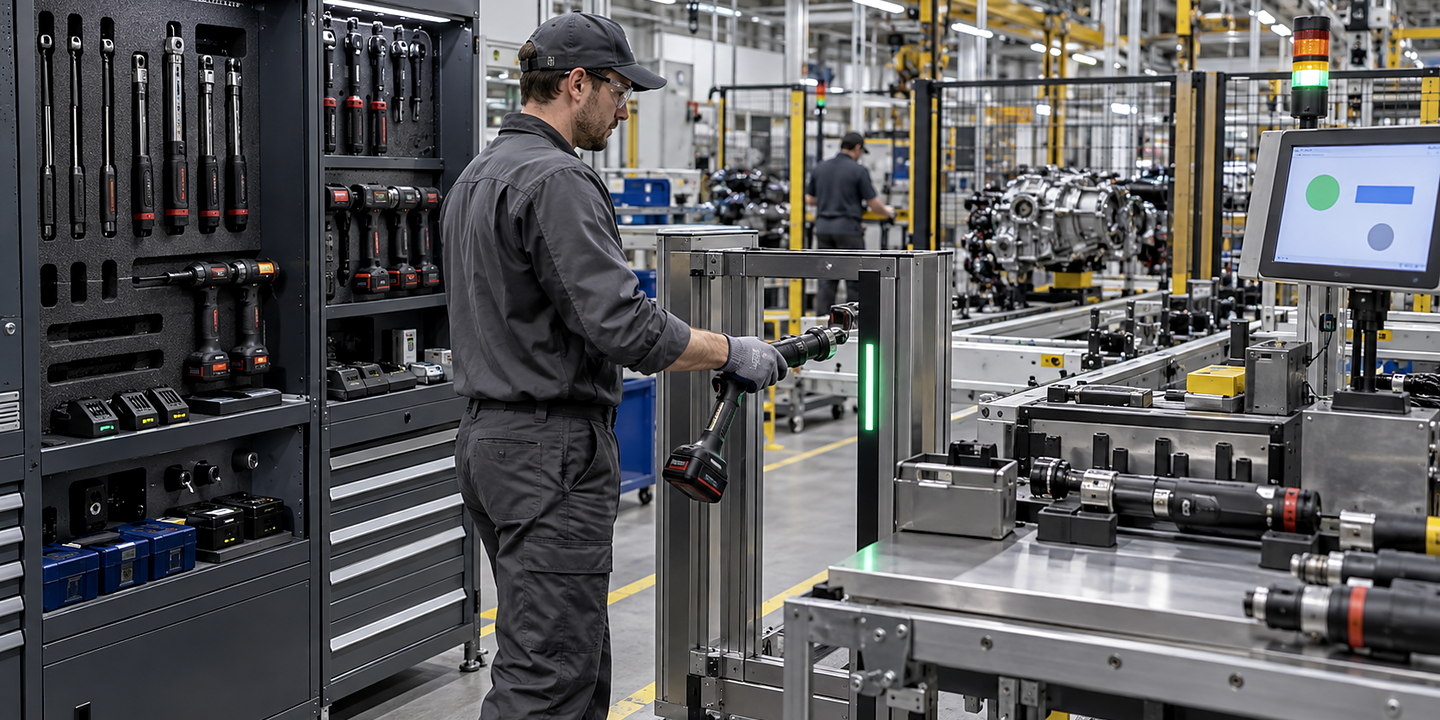
Define forklift RFID interfaces for truck mounting and power review, carried-load association, location evidence, warehouse events and controlled recovery.
Connect the intended load, truck, independent location evidence and handling confirmation before creating the agreed warehouse event. Review mounting, cabling, power, mast movement, visibility and service access with the responsible vehicle team, separately from the radio trial.
Document the load, location and event rules in the interface schedule. Agree acknowledgement, incomplete-event handling and recovery after network loss; do not assume a load read supplies location or confirms pickup.
Plan forklift mounted RFID read systems around your identifiers, substrates, production events, system interfaces, exceptions and verification records. Discuss a practical data-flow approach with Oxford Traceability. Your integration review should connect production speed and read-point conditions, line, business-system and network interfaces and the people who run the process.
Discuss your application

Review mounting, cabling routes, mast movement, impact exposure, operator visibility and service/removal access with the responsible vehicle team. Keep approval of the proposed modification separate from the radio trial.
Record proposed supplies, power connections, isolation, protective arrangements and cable routes for review by the responsible truck/electrical team. Do not assume a vehicle connection or modification is approved.
Define the handling evidence that confirms pickup or placement and how it is combined with intended-load and location observations. Include aborted pickup, rehandling, ambiguity and controlled recovery.
Have the responsible vehicle/site team assess the proposed installation, visibility, access and operating/recovery tasks. A successful tag trial does not establish approval of the vehicle modification or its safety arrangements.
Agree load, truck, location and event fields, source ownership, timing, acknowledgement and ordering. Define whether events can be retained during interruption, then reconcile unresolved/duplicate records under authorised rules.
Name who resolves ambiguous loads, wrong or stale locations and missing tags on the truck. Train the controlled fallback and correction route, and record task completion and exception workload during representative trials.
For Forklift Mounted RFID Read Systems, your team can review each stage before the complete installation is put into routine use.
Share real identifiers, substrates, production events and exception records, including the normal range for identifier and data rules for forklift-mounted RFID read systems and the difficult substrate, label or tag behaviour cases.
Compare suitable methods and use focused trials to show how each option performs against production speed and read-point conditions.
Connect the equipment to your line, services and controls while resolving line, business-system and network interfaces for day-to-day operation.
Confirm exception, rework and duplicate handling, then complete and record verification, retention and reconciliation evidence before your operating team takes over.
For your application: check production speed and read-point conditions, line, business-system and network interfaces, exception, rework and duplicate handling, and verification, retention and reconciliation evidence as part of the complete line trial.