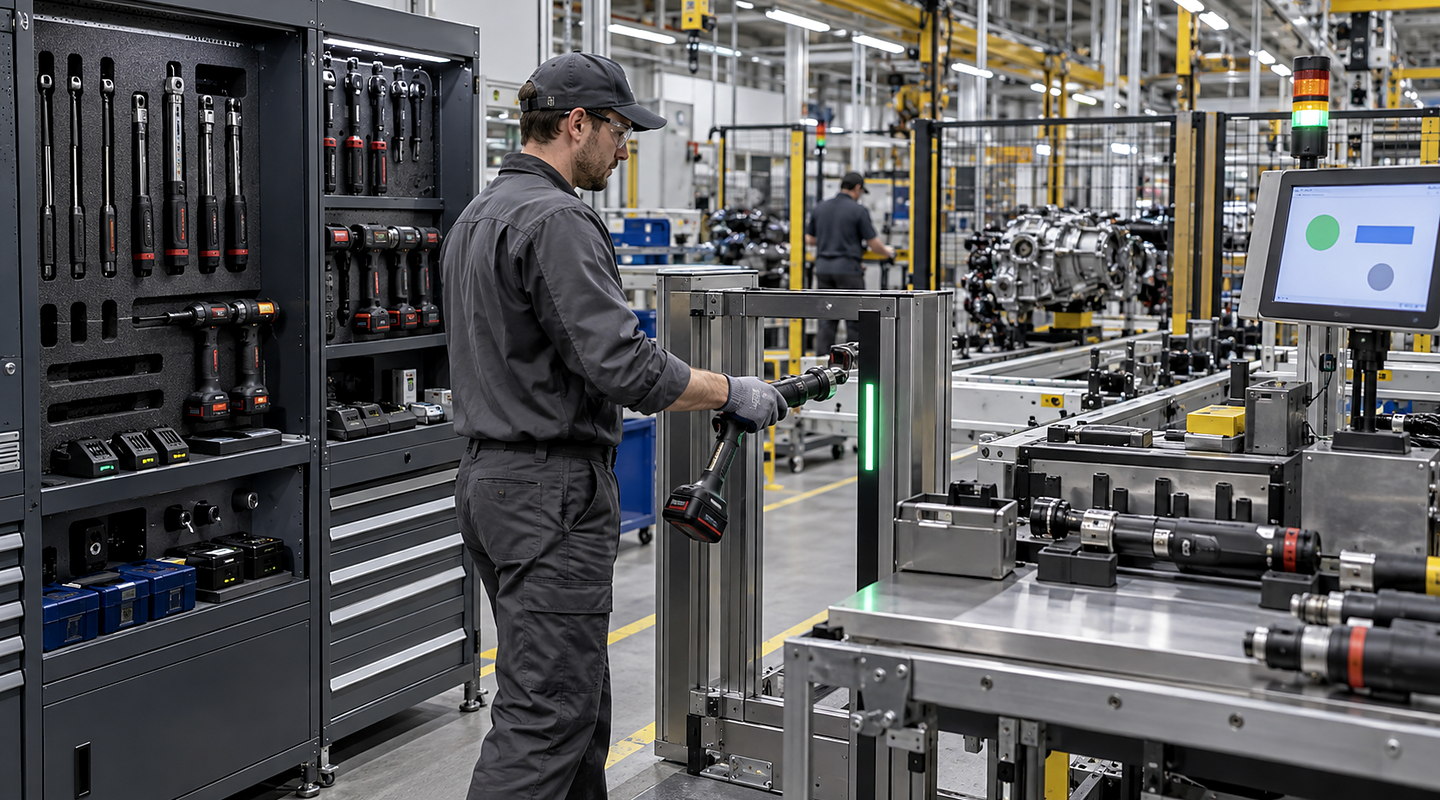
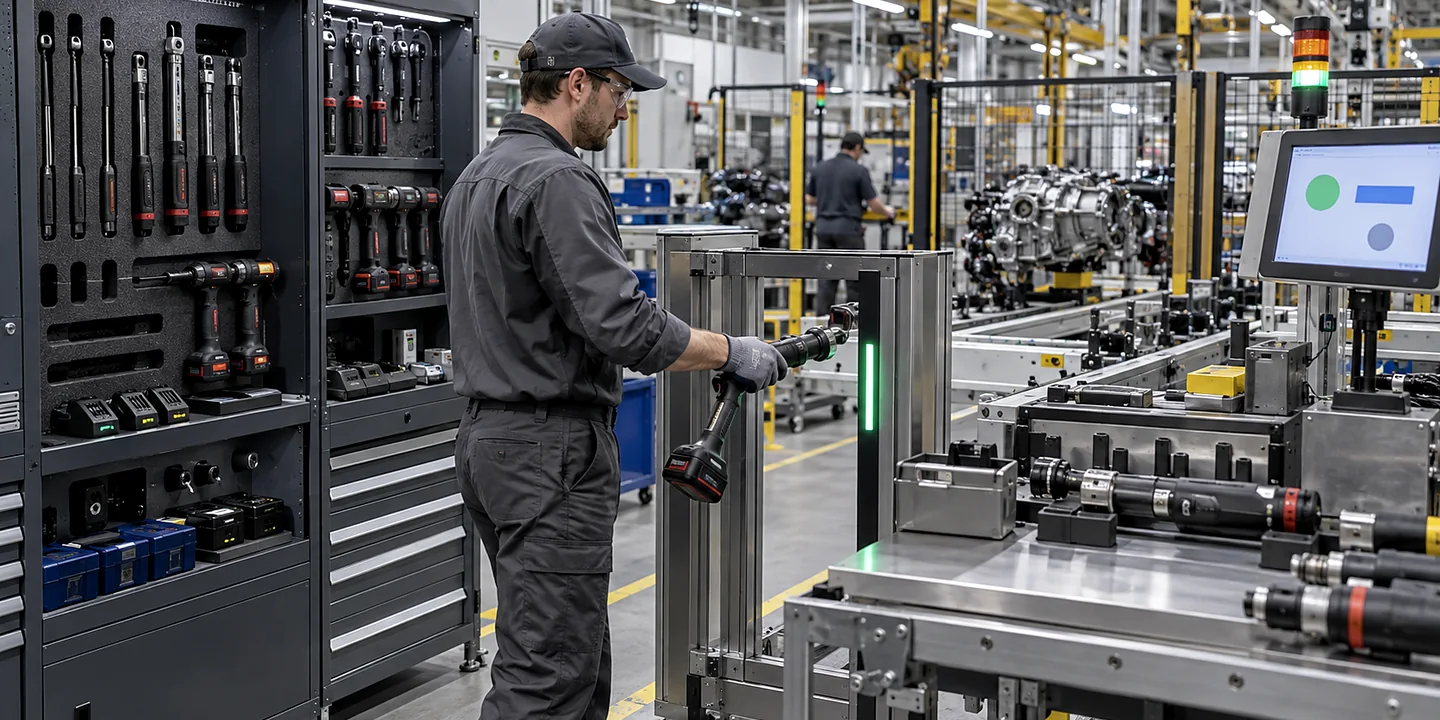
Forklift-mounted RFID readers capture tagged-load information during handling. A useful system must associate the correct load with the correct location and movement, then pass an agreed event to warehouse software. Trial that sequence with the actual truck, pallets and surrounding stock.
Speak directly with Oxford Traceability about forklift-mounted RFID read systems.
Quick answer
What must be tested before mounting RFID readers on forklifts?
Map the load, pickup and drop-off events and identify how the truck will establish location. Trial the proposed antennas and tags with actual loads, nearby stock and normal vehicle movement. Review mounting, power and operator visibility with the responsible vehicle team, and define handling of ambiguous or missing reads.
An RFID observation is not automatically proof that a pallet has been picked up or deposited in a particular location.
Decision 1
Which handling events should create a record?
Separate approach, pickup, travel, placement and departure. Define which event updates stock and what confirms it. Write down the required load, location, time and vehicle information so equipment and software teams agree on the same result.
Decision 2
How will the load be distinguished from nearby stock?
Test tagged loads beside, behind and above the intended pallet. Include normal wrapping and mixed materials. Record unwanted reads as well as missed reads and agree what evidence is needed before the system commits a movement.
Decision 3
How is the location established?
Describe the proposed location identifier or other location input and how it relates to the load event. Challenge adjacent bays, interrupted approaches and a load returned to its original position. Do not infer location solely from a successful load-tag read.
Decision 4
Where can antennas and equipment be mounted?
Review mounting, cables, power, impact exposure and operator visibility with the responsible vehicle team. Include mast movement and normal service access. Confirm the proposed modification through that review before treating a reader location as approved.
Decision 5
What happens without a network connection?
Define whether events are queued, how users are informed and how records reconcile when service returns. Keep duplicate prevention and event ordering explicit. The warehouse system should not silently convert an uncertain read into a confirmed inventory movement.
Decision 6
How will exceptions be resolved on the truck?
Agree the operator response to missing tags, ambiguous loads, incorrect locations and unreadable labels. Provide a controlled fallback and reconcile corrected records. Measure task completion and exception workload during the trial, not only the radio read count.
Applications
Two useful starting points for forklift mounted RFID read systems
The right choice changes with identifier and data rules for forklift-mounted RFID read systems, substrate, label or tag behaviour, your line layout and required results.
Map a small set of real handling routes, then include adjacent stock, a wrong location, an aborted pickup, a rehandled pallet and temporary loss of connectivity. Compare the recorded movement against the observed physical event. Keep the truck configuration, tag placement and load contents with the results so later changes can be reviewed.
Read performance and unwanted reads must be proved in the actual material, orientation and radio environment.
Mark, label, tag and reader performance depends on the real substrate and environment.
A readable code does not prove that its encoded data is correct or reconciled.
Your final solution for forklift-mounted RFID read systems must reflect the law, current standards and site-specific risks that apply to your installation.